Who owns my artwork?
At PrePress, we typically charge our clients for any artwork we create, and as a result, we are pleased to transfer all copyright ownership to them without any dispute. However, this practice differs from that of many other agencies and design studios. Therefore, when it comes to the question of who owns the artwork, the answer is unequivocally you.
Who owns a design, the client or the designer?
This question arises often, and it is crucial to grasp the answer prior to making a decision about hiring a designer. To begin, let us examine the fundamental elements of this field along with the relevant UK legislation. Imagine a situation where you have hired a designer to create a particular piece of work for you. Many people mistakenly believe that once the project is finished, they automatically own all rights to the work. However, copyright law assigns ownership of a work to its creator, indicating that the designer inherently retains those rights. Any transfer of rights would depend on the terms specified in your contract.
Don’t have a contract?
If you lack a contract, your designer should provide one for you to sign prior to commencing any work, or they should have a standard set of Terms & Conditions relevant to your project. This ensures that both parties have a clear understanding of their rights and obligations during the collaboration. You do not have to agree to these terms.
In the absence of a contract, the matter of copyright is straightforward: it remains with the designer. They retain complete ownership of the design, including all associated files and assets. Should you wish to alter this arrangement, you will need to request permission from them and hope for their agreement.
Example 1:
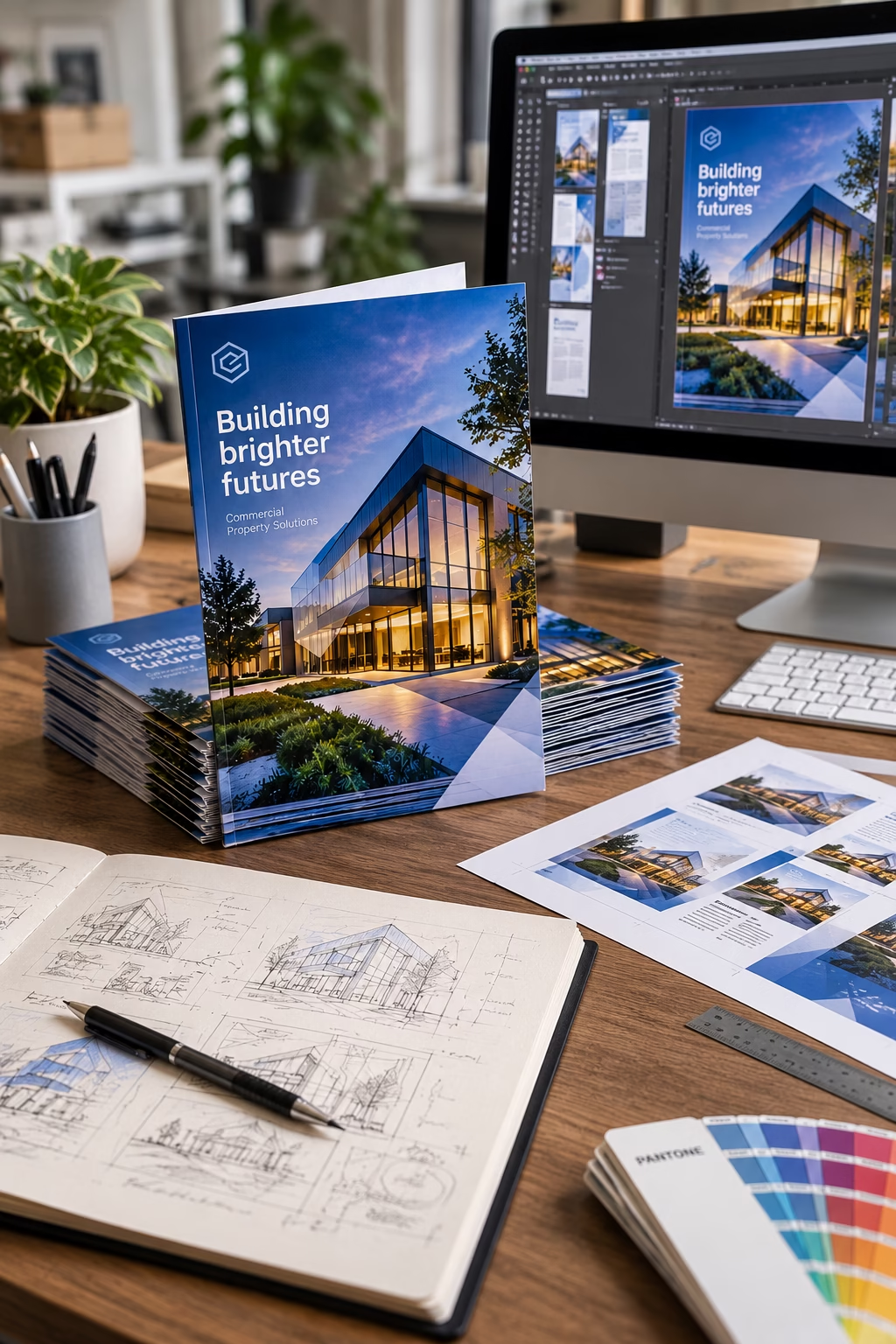
A brochure or flyer to promote your business
When the final deliverable of a project is a printed item, such as a brochure or flyer, your contract typically ensures that you own the printed materials. You also may receive a PDF file, allowing you to produce more copies as needed.
However, the designer retains ownership of the original design, meaning you cannot replicate or modify the design or layout for other uses, such as creating a banner for your website. To make such adaptations, you would need to engage the designer again.
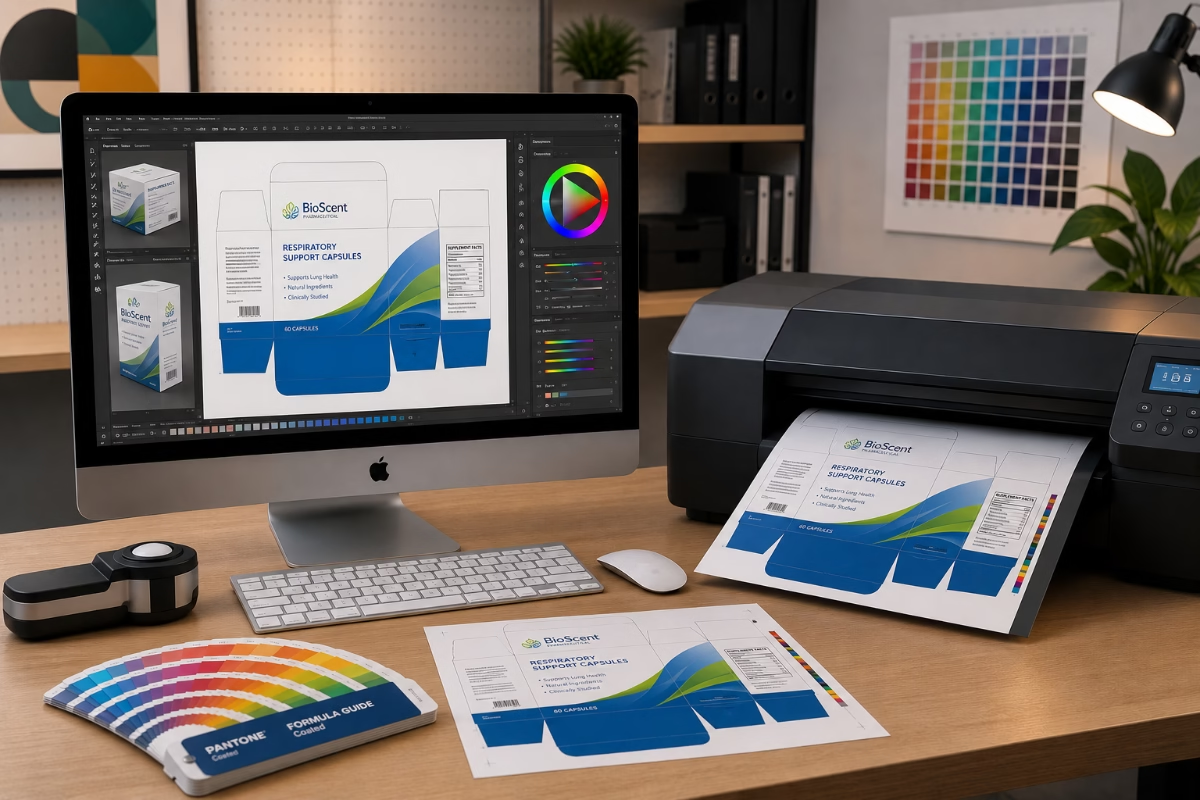
Furthermore, the designer holds all the working files, including initial sketches and Adobe InDesign documents. If you wish to make alterations to the brochure prior to your next print run, you would either need to hire the designer for those changes or purchase the InDesign file from them to collaborate with a different designer.
Example 2:
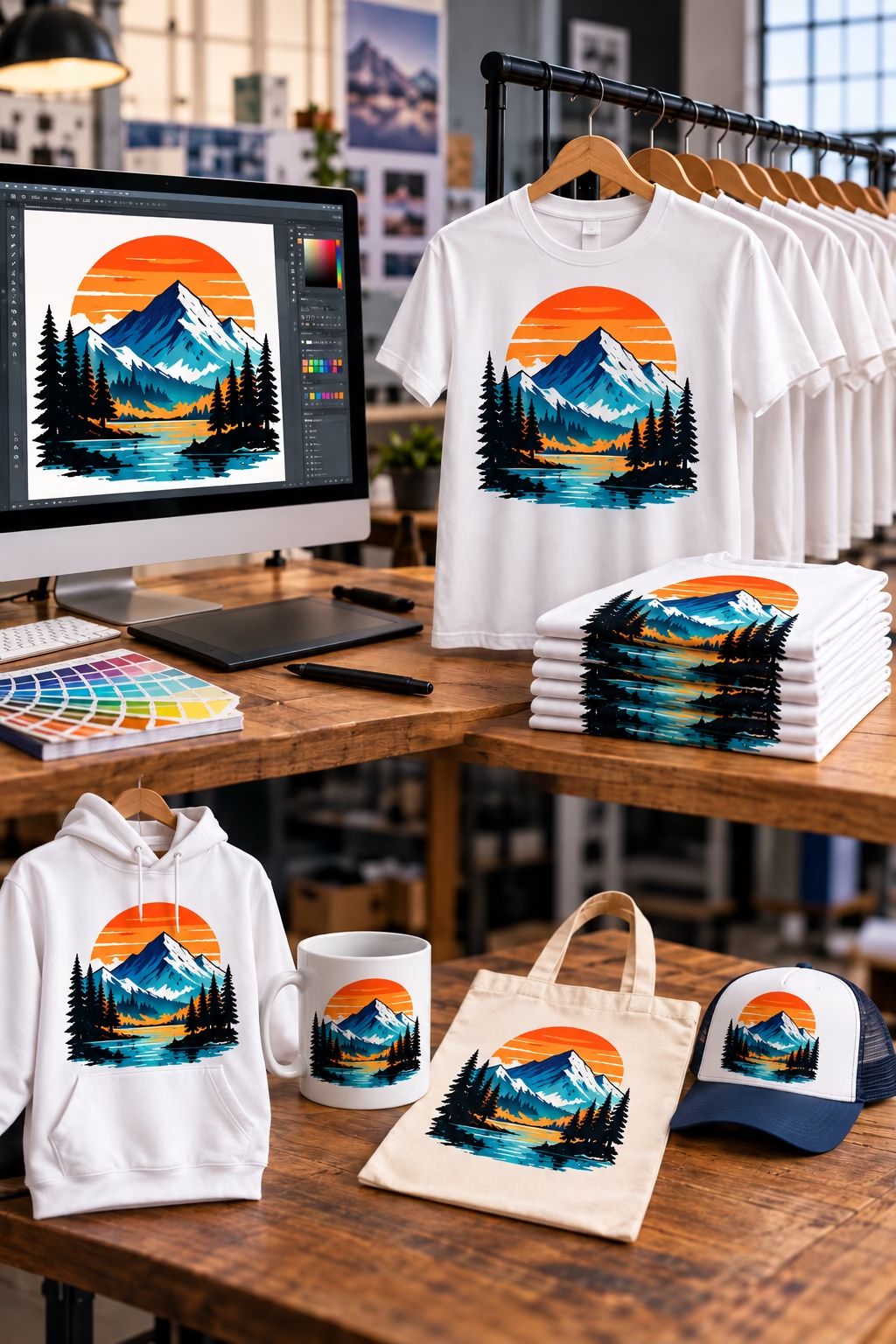
An illustration licensed for printing on t-shirts
If you use an existing illustration created by another designer or design company, it is essential that you check the licensing terms before printing it on t-shirts for sale. A licence may restrict the number of items you can produce, the types of products you can sell, the countries in which you can sell them, or the length of time you can use the artwork.
For example, a licence might permit you to print an illustration on 500 t-shirts for sale in the UK over three years. Producing additional t-shirts, using the illustration on other products, selling in other territories or continuing to use it beyond the agreed period may require an extended licence.
If PrePress designs your logo or illustration for you, you own the artwork. You are free to use your artwork wherever, whenever and on whatever products you choose.
Example 3:
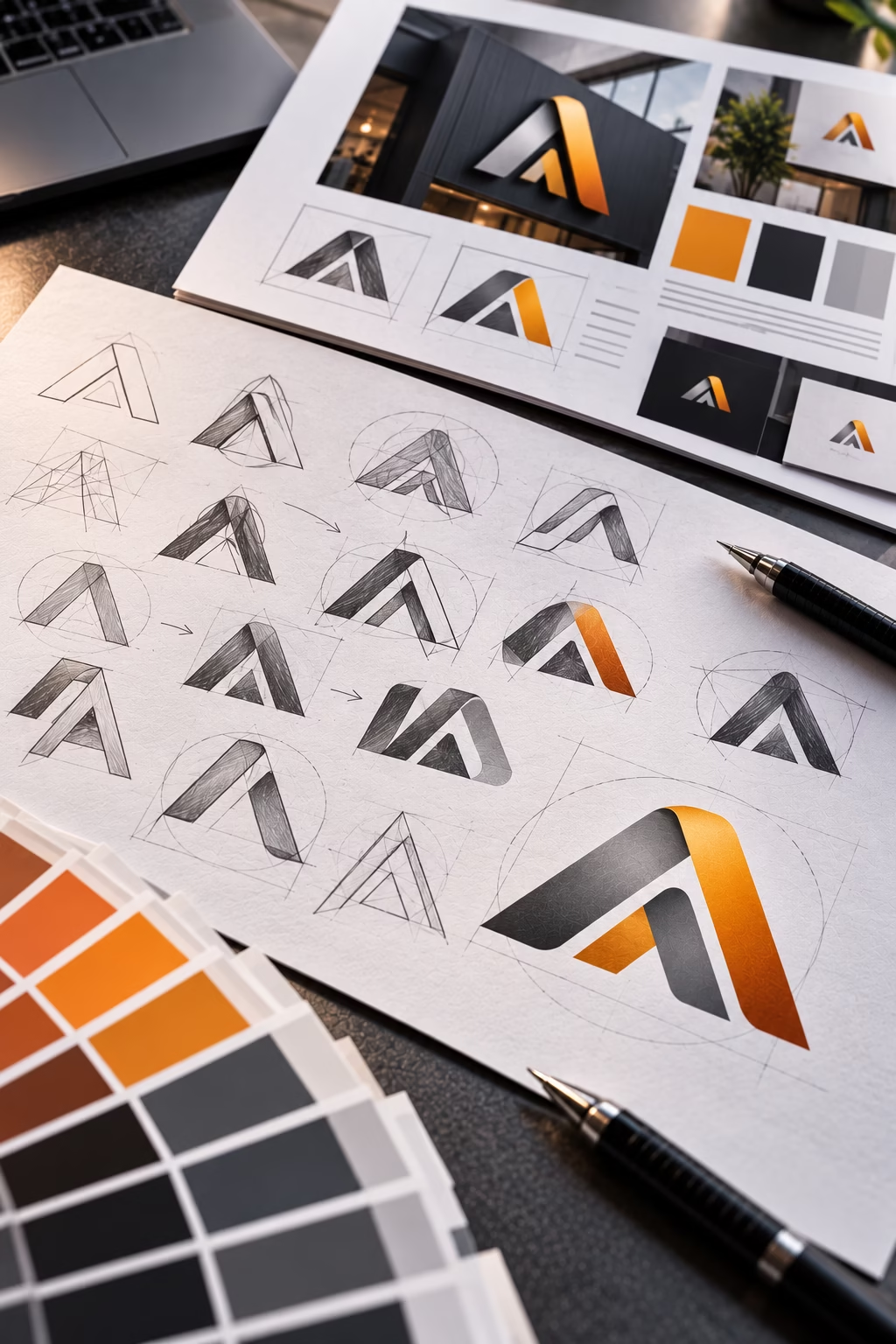
A logo design for your new business
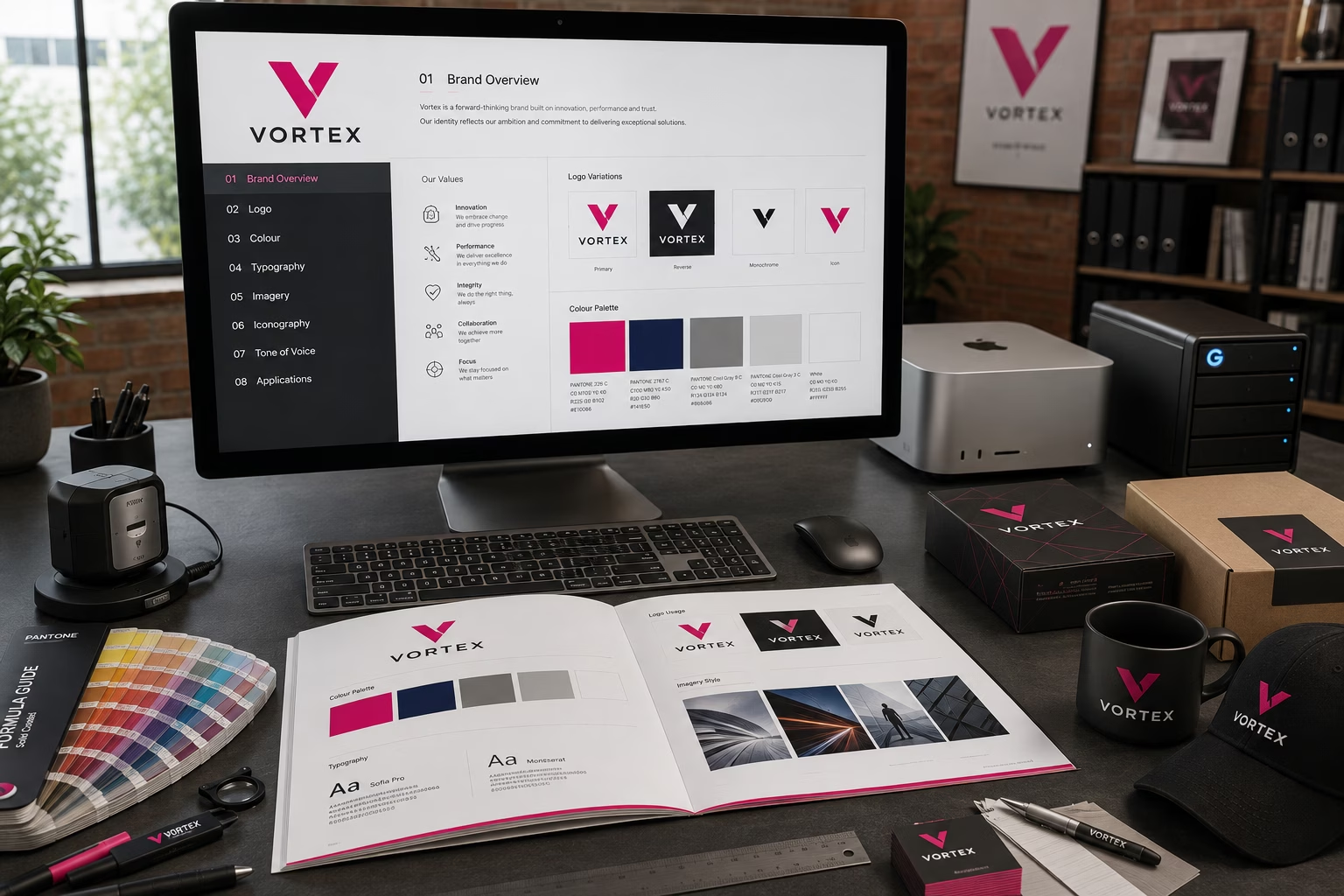
Logos and branding require a distinct approach. It is crucial for your business and brand identity to have complete ownership of your logo. This is why using template logos is not advisable; you won’t have exclusive rights to the design, and there’s no telling how many others might be using the same template. Never allow any other company to own your logo design or rights. This way you have freedom to utilise your logo as often and in as many places as you wish.
It is essential to ensure that your agreement with your designer includes a transfer of ownership for the final logo upon full payment. Most designers typically accommodate this in their contracts; mine certainly does. However, if your designer insists on retaining full ownership of the logo design, it may indicate a problem. The only aspect they should retain is the right to showcase the logo in their portfolio, allowing them to claim authorship and promote their services.
Do you need to own the copyright?
It is often advantageous, though not always essential. In many cases, full ownership of a design may not be required for you, the client. Your contract or license should simply and adequately address your needs. We cannot see why you would ever want a third party to own something you have paid for.
For you access to the working files is seldom necessary. You may not have the appropriate software to modify them, and purchasing a license can be costly. Moreover, programs such as Adobe InDesign, Quark, lllustrator, and Photoshop have a significant learning curve, making it challenging to edit your files effectively. Typically, it is more economical, efficient, and straightforward to request changes from the original designer.
Find out more at https://www.gov.uk/intellectual-property-an-overview
Explore the world of PrePress